
Being PHP Release Manager
with Volker Dusch
In December 2025, Stefan Priebsch and Volker Dusch, Release Manager of PHP 8.5, took a look behind the scenes of the PHP project.
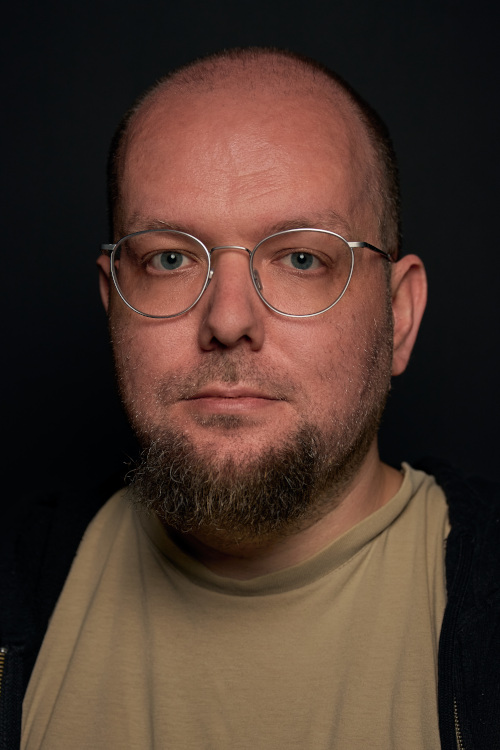
Volker is an experienced software developer and manager with over 20 years' experience in PHP and web environments. Through his work on long-lasting applications in social networking, medicine, and e-commerce, he has gained extensive experience in continuously improving software projects. He is currently working at Tideways on a solution that helps thousands of companies to make their PHP applications faster and more robust.
Behind the Scenes of the PHP Project
Volker demystified what 'release management' actually entails. Rather than selecting features manually, release managers focus on process, stability and risk, particularly towards the final release. The conversation covered the modern release rhythm (including patch releases such as 8.5.1), the extent to which the workflow is documented and automated, and the reasons why today’s PHP releases are far more predictable and stable than the chaotic periods that many long-term users may recall.
“What I’ve been seeing when I came back now in comparison to maybe 10 years ago is how much nicer everyone is.”
— Volker Dusch
A central theme was how PHP’s open-source governance works in practice: contributions are reviewed by multiple people, with security-minded scrutiny and a culture that’s notably more constructive than in earlier eras. Volker and guests highlighted the ecosystem-wide “early warning system” that keeps the language and major projects aligned—frameworks and tooling like Symfony, Composer, and PHPUnit test against development branches and release candidates, while maintainers and packagers (such as downstream distribution builders) help surface issues quickly. Along the way, the discussion pointed viewers to the practical resources that guide upgrades and reduce surprises: the NEWS and UPGRADING files in the source tree and the official migration guides.
Finally, the episode zoomed out to what makes PHP sustainable: a mix of volunteers, strong peer review, and targeted sponsorship through efforts like the PHP Foundation, plus companies that make it possible for contributors to spend real work time on community responsibilities. Volker shared the human side of his role, while Stefan closed with a call to action for 2026: if PHP pays your bills, consider giving back through testing, sponsorship, documentation, or stepping up for roles like release management to keep the project alive and well.
“Let’s make 2026 a great year for open source.”
— Stefan Priebsch
The full recording of this conversation will be made available soon.